
Trump DOJ Succeeds In Criminalizing Sharing Of Political Zines
In Texas, United States Judges Reed O’Connor and Mark T. Pittman issued totalitarian prison sentences against eight anti-ICE activists
In Texas, United States Judges Reed O’Connor and Mark T. Pittman issued totalitarian prison sentences against eight people known collectively as the Prairieland defendants.
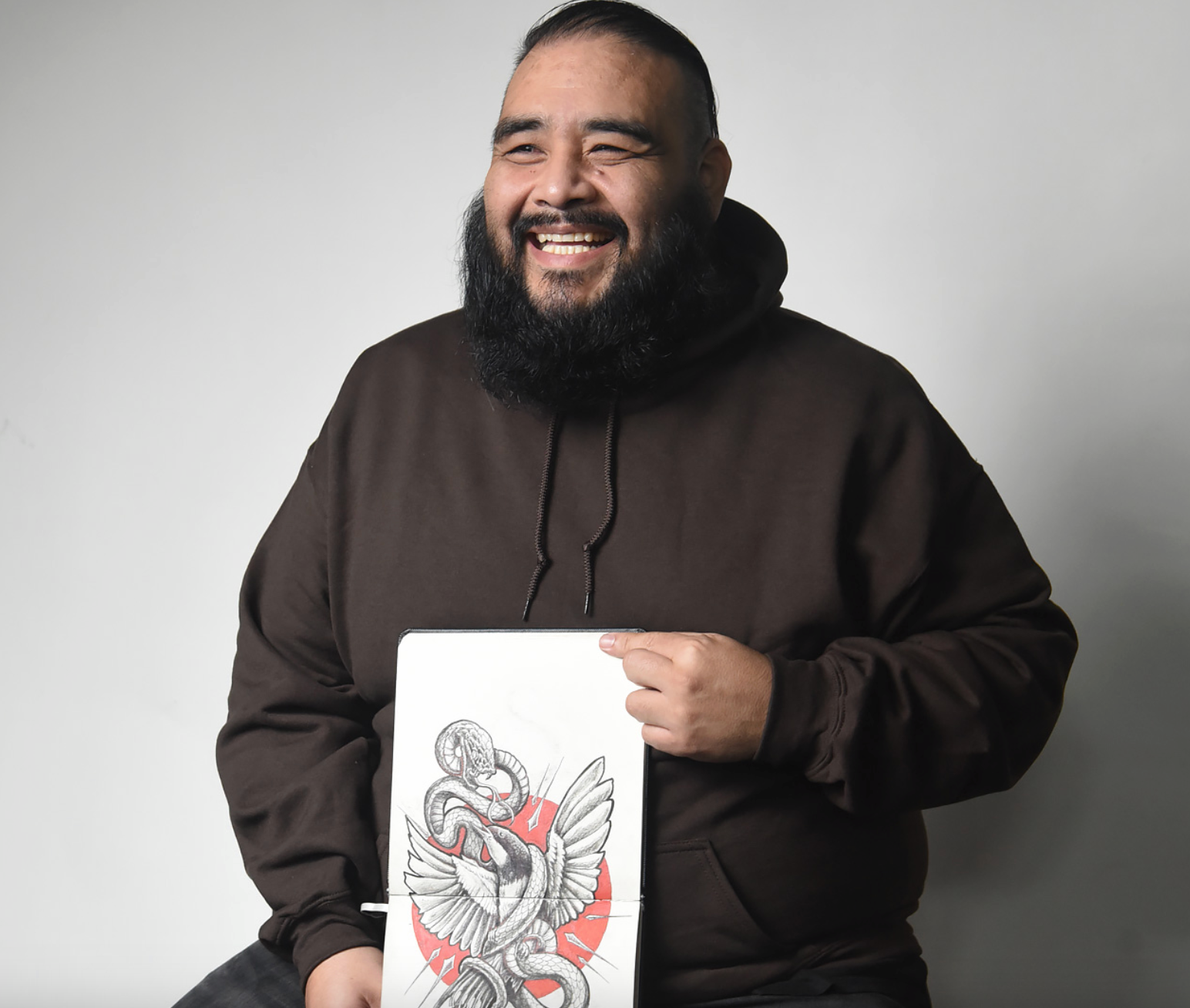
One of the individuals, Daniel Sanchez Estrada, was sentenced to 30 years for transporting a box of zines or pamphlets. He now faces the loss of his permanent resident status and deportation.
“Political zines like those Sanchez possessed are no different from the pro-Revolution pamphlets this country’s founders had in mind when they drafted the First Amendment’s press clause,” stated Seth Stern, the advocacy director for the Freedom of the Press Foundation.
Stern added, “Sanchez’s case is the latest example of [President Donald Trump’s] administration grasping at any legal straws it can to criminalize disfavored ideologies and writings, from conflating dissent with terrorism to deporting immigrants who report on protests or criticize wars the U.S. bankrolls.”
The political prosecutions stemmed from a July 4, 2025, incident that occurred outside of the Prairieland Detention Center, which is an ICE facility in Alvarado, Texas. An Alvarado police officer drew his gun, and Benjamin Song shot the officer with a rifle that he was carrying.
Song, a former Marine, was portrayed by the Justice Department as the “leader” of an “Antifa Cell.” The rest of the defendants were labeled “Antifa Cell operatives.” They were treated as co-conspirators and convicted of “rioting, using weapons and explosives, providing material support to terrorists, [and] obstruction.”
However, there is no "Antifa" group, and as the Brennan Center for Justice recognizes, the Trump administration is cracking down on a "decentralized movement" via an executive order and presidential memo that infringes upon "free speech rights, potentially threatening any person or group holding any one of a broad array of disfavored views with investigation and prosecution."
Sanchez Estrada said prior to sentencing, "I worked really hard every day in this country, and I believe in human rights and helping others in need. I donate money and art to help animals and other people." He later said, "I’m a father, a husband and a teacher. But I’m not a terrorist."
According to a report from Intercept reporter Matt Sledge, defense attorney Christopher Weinbel argued that giving Sanchez Estrada a lengthy prison sentence “would make a mockery of justice.” But along with the other defendants, O’Connor made an example out of Sanchez Estrada.
Weinbel made it clear that moving the anarchist zines were protected by the First Amendment. Not a single page was used to secure a single conviction. “He is not a murderer, he is not ISIS, he is not a foreign terrorist,” the public defender further stated.
However, O’Connor disregarded this argument. He insisted that a “known terrorist was on the run for shooting a police officer during a terrorist attack.” Sanchez Estrada received a 30-year sentence for “corruptly concealing a document or record.”
The Justice Department’s description of this offense clearly implicated free speech as well as freedom of the press. Officials insisted the “Antifa materials” included “insurrection planning, anti-law enforcement, anti-government, and anti-immigration enforcement documents and propaganda.”
Sanchez Estrada’s wife Maricela Rueda was convicted of “material support to terrorists” and other charges. She received a 70-year prison sentence.
Before the Prairieland defendants were convicted in March, Jeremy Busby, an incarcerated journalist in Texas, wrote about the criminal charge against Sanchez Estrada.
“The home-spun zines at issue contain no plans for any shooting, and under normal circumstances, they would clearly be deemed constitutionally protected speech under the First Amendment. But the government’s concealment theory only makes sense if it views merely having the literature as criminal,” Busby contended.
Busby provided historical context. “[W]hile this form of censorship might seem brazenly anti-constitutional to most Americans, it has been the reality faced by incarcerated individuals for decades. In the name of ‘security,’ prison officials have punished and even killed people for possessing literature they deemed suspect.”
He recalled the cases that were brought against Johnson Greybuffalo and Kenneth Oliver. Both were thrown in solitary confinement for possessing “contraband” or political literature.
“Criminalizing possession of literature is a miscarriage of justice, whether in prison or at a protester’s husband’s parents’ house,” Busby concluded. “If the Trump administration is allowed to send Sanchez Estrada to prison for the crime of possessing literature, members of society at large can be subjected to the same pernicious rules as the incarcerated.”
More broadly, the National Lawyers Guild called attention to the political prosecutions, which target the right to “free speech, free assembly, and resistance against fascism."
"In what was Trump’s first case against “antifa”, the administration used protestors at a noise demonstration outside of the Alvarado ICE detention center as an example of what can happen to any who dare disagree with the administration’s policies," the NLG added. "This is a successful attack against anyone who dares to protest injustice in the U.S., especially the ongoing violence being committed by DHS and ICE."
O’Connor is well-known as a biased right-wing judge. He invested in Tesla and then allowed Tesla CEO Elon Musk to forum-shop by filing lawsuits against advertisers on the platform formerly known as Twitter, despite the fact that none of the parties were based in Texas. He recently issued an order against the Rhode Island Hospital and sought to bar the hospital from seeking relief from any federal court that oversees Rhode Island, even though this is well beyond his authority.
Similarly, Pittman, a Trump appointee, struck down President Joe Biden’s student loan forgiveness program. He also ruled that the National Labor Relations Board was unconstitutional.
This is only the beginning for the Trump administration. Last week, on June 16, the Justice Department indicted 15 people in Minnesota on charges similar to the Prairieland cases. The charges are clearly aimed at stigmatizing the grassroots opposition, which stood up to ICE after agents killed Renee Good and Alex Pretti.
Prosecutors could indict more individuals in Minnesota and smear them as “Antifa terrorists," and based on the conviction and sentencing of Sanchez Estrada, it is entirely possible that any journalist in Minnesota, who ever associated with one of the 15 people, could be criminalized for spending time with them.
The Trump administration could also criminalize a journalist's communications via Signal because in the Prairieland cases the government treated use of the encrypted chat application as evidence of a criminal conspiracy.
The Dissenter Newsletter needs your support. If you are not a subscriber, please sign up. Help the newsletter by sharing articles on social media. Thank you.

Comments ()