
US Prosecutor Faces 'Disciplinary Complaint' For Authorizing FBI Raid Against Reporter
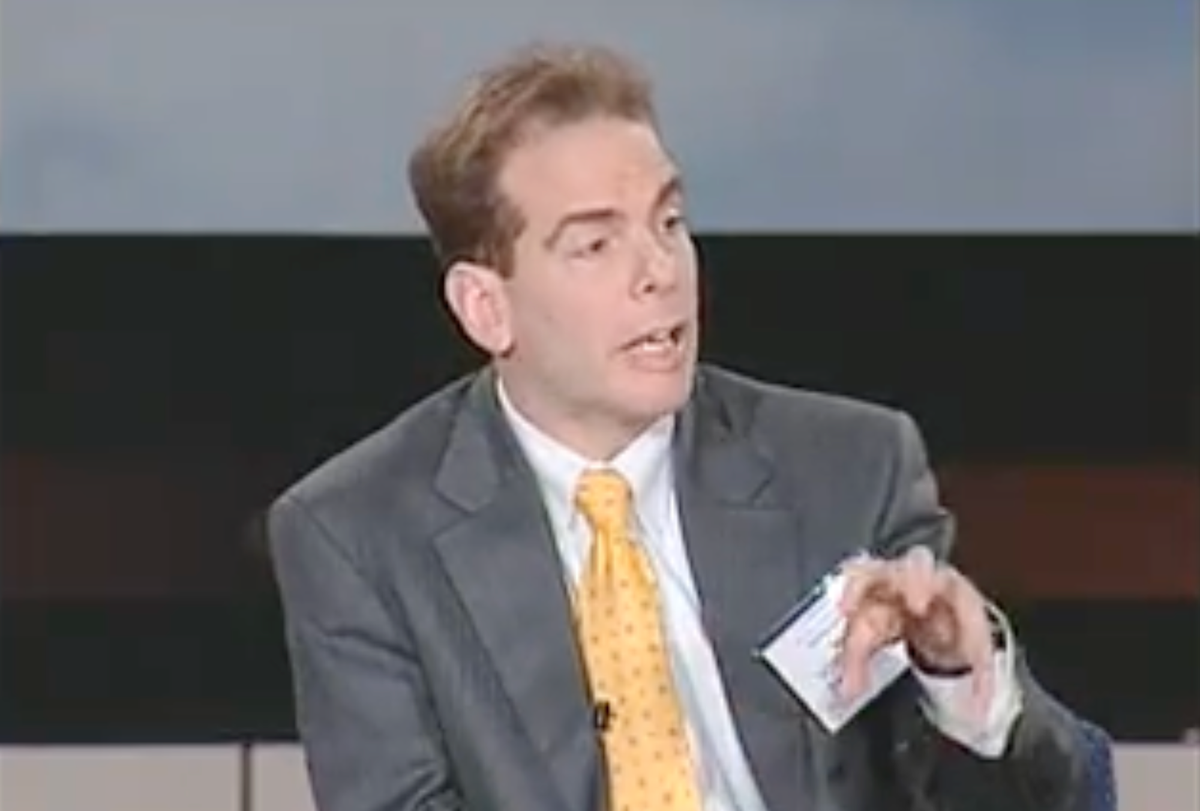
The Freedom of the Press Foundation (FPF) filed a "disciplinary complaint" against the federal prosecutor who signed off on the search warrant, which led to the FBI raid against Washington Post reporter Hannah Natanson.
“Assistant United States Attorney Gordon Kromberg and the government omitted a federal law that should have prohibited the raid of Hannah Natanson’s home when applying for a search warrant,” declared FPF advocacy director Seth Stern. “That choice now threatens to expose Natanson’s sources and cripple her ability to report, while also sending a warning shot to journalists and whistleblowers nationwide.”
The complaint [PDF] was submitted to the Virginia State Bar, and it urged the association to take action "up to and including disbarment, and that it expedite disciplinary proceedings due to the dire consequences for First Amendment freedoms if illegal newsroom raids and seizures of journalists’ work product are allowed to go unchecked.”
Natanson and the Washington Post continue to fight in court for the return of electronic devices that were seized by the FBI on January 14 as part of an Espionage Act prosecution against Pentagon contractor Aurelio Perez-Lugones.
On January 21, the U.S. District Court in the District of Virginia granted the Post’s motion to halt “review” of devices that agents took in the raid while the court considers whether to order the government to return Natanson and the Post’s property.
FBI assistant director Roman Rozhavsky recalled in a declaration [PDF] that the FBI took “Natanson’s laptop, a silver MacBook Pro with a black case, and Natanson’s cell phone, an Apple iPhone 13.” They were found in the upstairs of her home, “along with a Handy branded audio recording device and a Seagate portable hard drive.”
“The iPhone was found powered on, sitting on a charging stand with a cable, and a notification visible on its display indicated the iPhone was in ‘Lockdown’ mode,” Rozhavsky noted.
FPF argued in its complaint against Kromberg that the Privacy Protection Act prohibits searches searches of a reporter’s devices unless there is “probable cause to believe” that the journalist committed a crime, including violating the Espionage Act.
But the “basis for the search” indicated on the search warrant application [PDF] was to search for “evidence of a crime” and “fruits” of the alleged crime, not to arrest a person who allegedly committed an offense.
“As several experts note in the article, Kromberg’s signature of the warrant application appears to violate Virginia Rules of Professional Conduct, Rule 3.3, ‘Candor Toward the Tribunal,’ which provides that a lawyer shall not knowingly ‘fail to disclose to the tribunal controlling legal authority in the subject jurisdiction known to the lawyer to be adverse to the position of the client.’”
FPF added, “The rule recognizes that the need for candor is heightened in a proceeding with no opposing counsel present to bring adverse authority to the court’s attention.”
Kromberg was the federal prosecutor, who told the British courts that the U.S. government could argue WikiLeaks founder Julian Assange had no First Amendment rights because he was a foreign national. That backfired, and essentially forced the Justice Department into a position where they had to seek a plea deal with Assange to salvage their case.
He also prosecuted drone whistleblower Daniel Hale during President Donald Trump’s first term, despite the fact that high-rank Justice Department officials under President Barack Obama declined to approve Espionage Act charges against him.
Raiding a journalist was clearly an abuse of power, and the effort to suppress a reporter, who had amassed 1,000+ sources in the federal government, is why FPF has demanded accountability for Kromberg’s actions.
“Disciplinary bodies cannot look the other way and ignore misconduct that threatens the First Amendment, particularly from an administration with a long history of misleading judges and everyone else,” Stern concluded. “When prosecutors abuse their power to facilitate efforts to silence reporting and intimidate news sources, disciplinary authorities must hold them accountable and impose real consequences.”


Comments ()