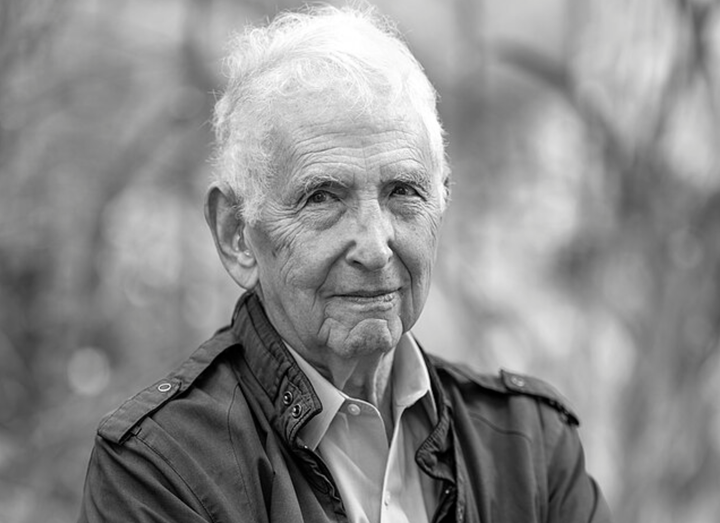
Whistleblowing To Stop A War
The world needs national security whistleblowers to follow in Daniel Ellsberg’s footsteps, but the tentacles of the warfare state have an immense grip over Washington, D.C.
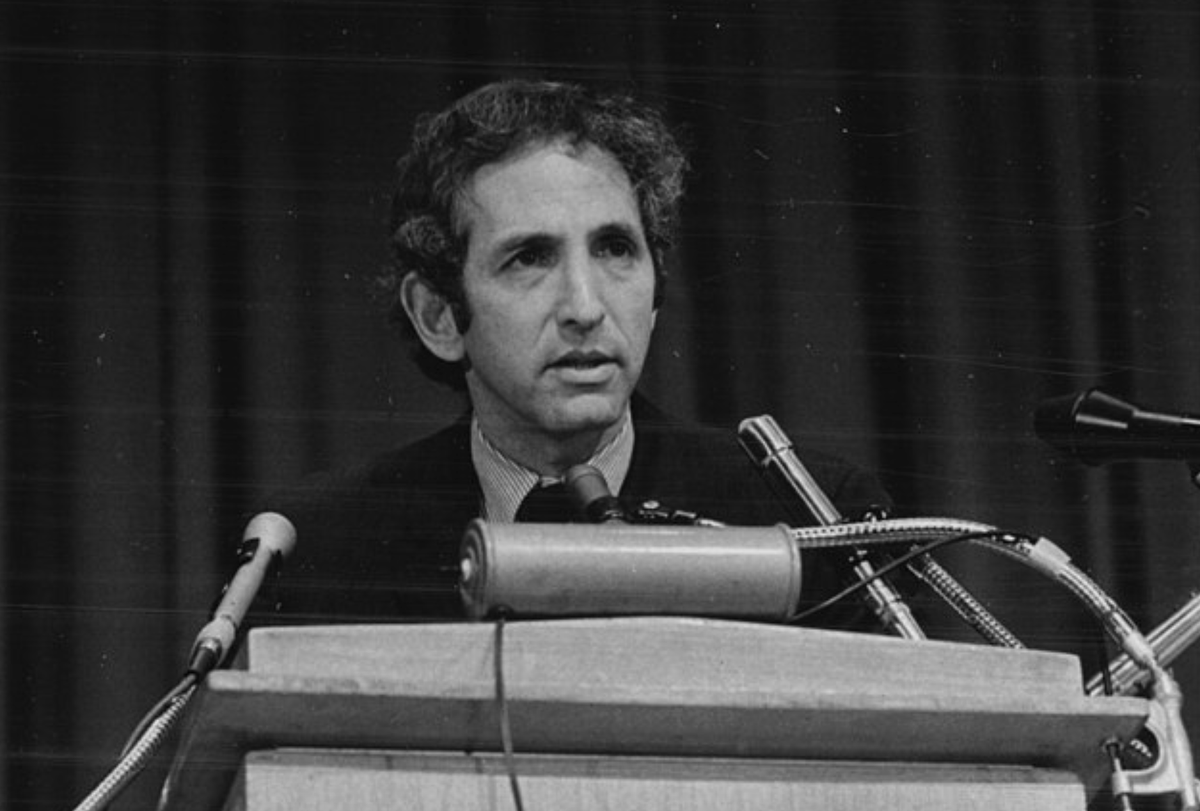
In Daniel Ellsberg’s memoir, “Secrets,” he recalled how his disclosure of the Pentagon Papers set off a “train of events” that shortened the Vietnam War and discouraged President Richard Nixon from further bombing Laos and Cambodia.
Ellsberg’s whistleblowing effectively limited Nixon’s ability to wage war secretly and with unchecked authority. It remains a major example for all military or national security whistleblowers, and throughout the twilight years of his life, he often appealed to government insiders to tell the truth like he did.
A month into an illegal and illegitimate war on Iran launched by the United States and Israel, the world needs national security whistleblowers to follow in Ellsberg’s footsteps by going to Congress or the press—with documents—to expose the war.
But the tentacles of the warfare state have an immense grip over Washington, D.C., and the press, which means that the potential for whistleblowing to affect a conflict is greatly diminished.
Military whistleblowers, like Chelsea Manning or Daniel Hale, have endured Espionage Act prosecution and imprisonment for trying to spark public debate on wars of occupation in Iraq and Afghanistan as well as the use of drones for assassinations in Pakistan, Yemen, or Somalia, which were not declared battlefields.